TL;DR
Verify the exact contract, inspect permissions and deployer history, review holders and wallet clusters, confirm liquidity and sellability, and authenticate the project’s social accounts. If one critical answer is missing, waiting is the safer decision.
Contract identity
Start from an official project account or another independently verified source. Compare the address character by character and beware copied tickers, lookalike domains, reused logos, and search-result impersonation.
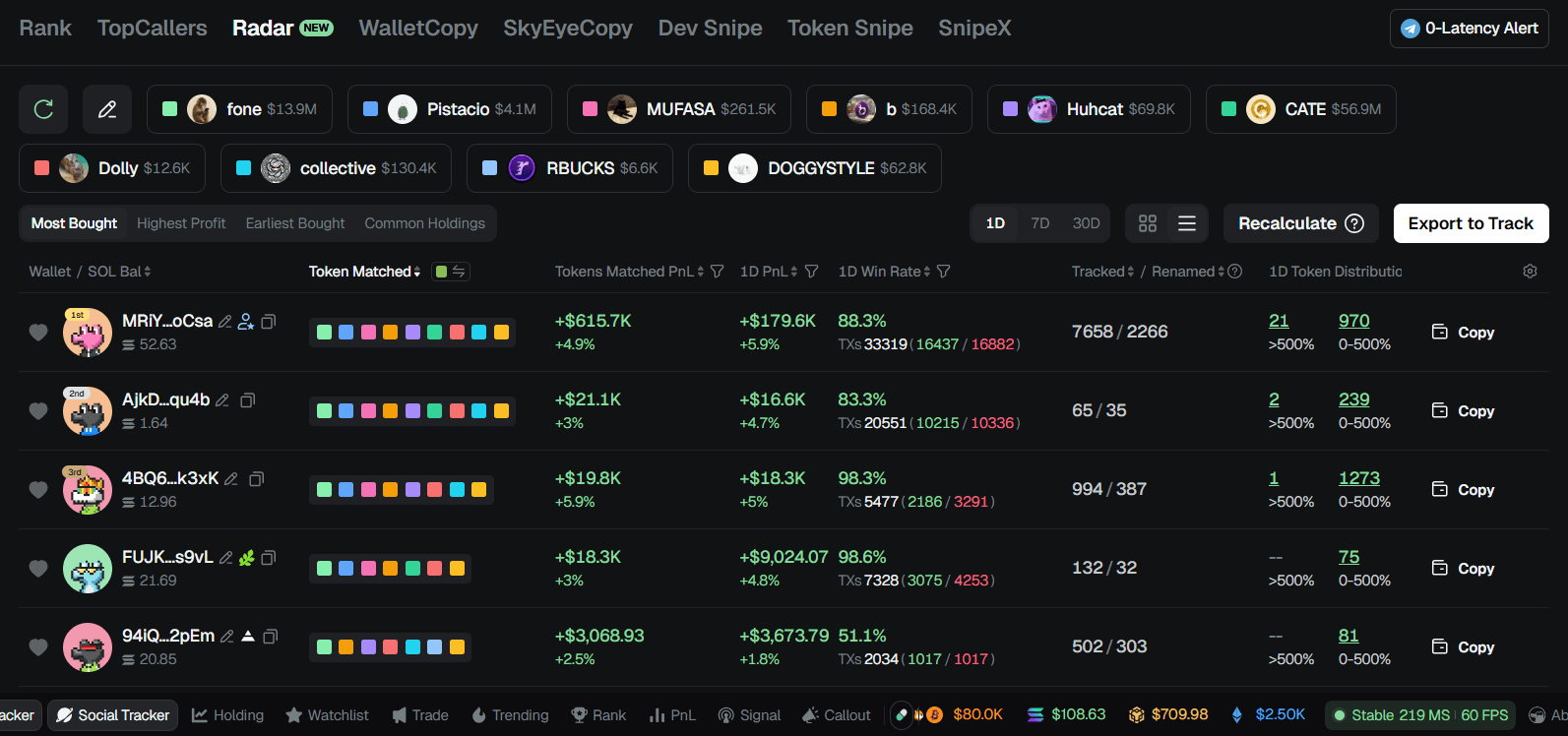
Permissions and deployer history
Where the chain and token standard expose them, review mint, freeze, blacklist, and other privileged permissions. Trace the deployer’s prior launches and look for repeated clusters or abandoned projects. A clean history is context, not proof of the next launch.
Holders, clusters, liquidity and sellability
Review top holders and bubble maps, then ask whether related wallets could distort the view. Confirm where liquidity sits and whether a sale of your intended size could move the market. Where appropriate, test sellability with a tiny amount before committing more.
Social authenticity
A large follower count, copied account, paid post, or caller screenshot is attention—not independent evidence. Use the public wallet explorer, crypto screener, and DEX directory to supplement a terminal’s labels.
Related CryptosBeginner pages
Continue with the surrounding research and safety resources: