TL;DR
Slippage is the maximum price deviation accepted. Priority fees and tips are additional ordering costs. MEV protection may reduce exposure to some transaction-ordering strategies but can change route, speed, and cost.
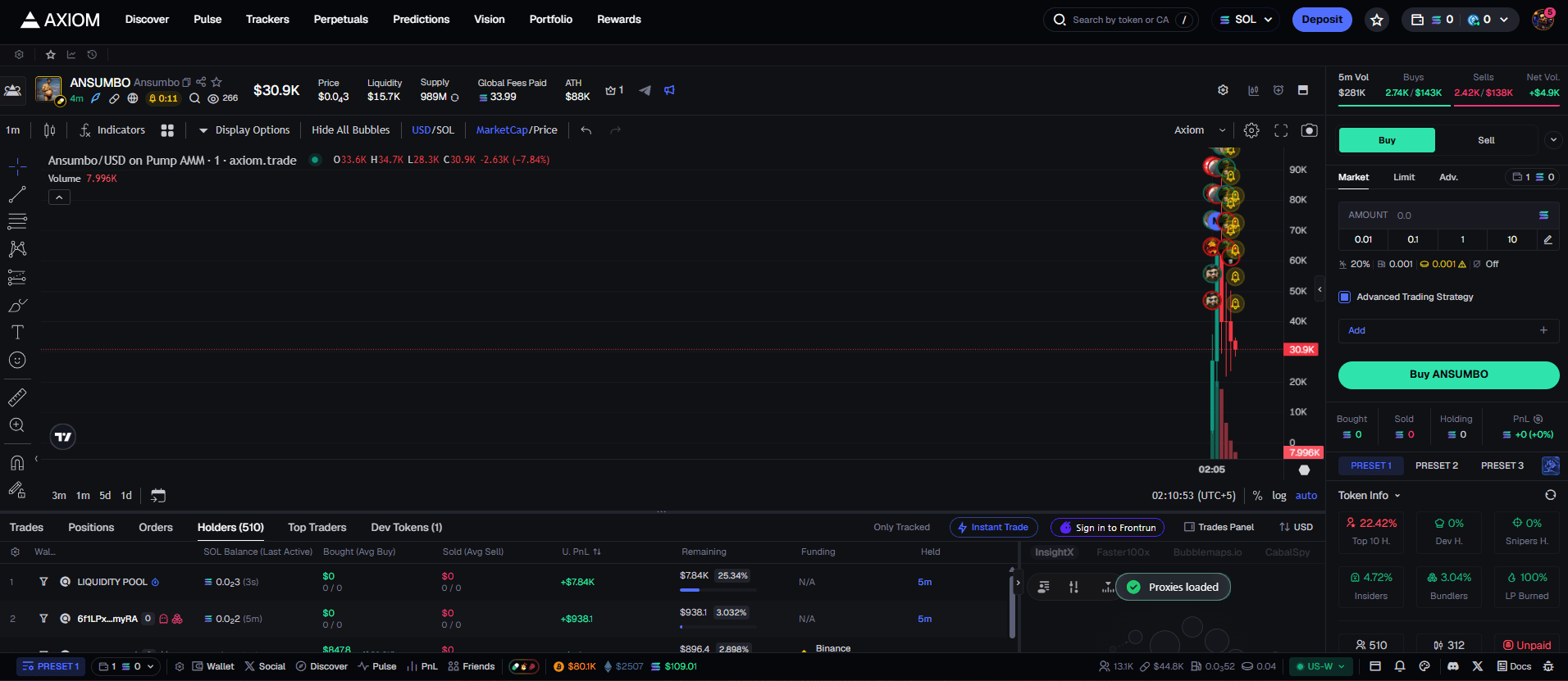
What slippage means
A narrow limit can cause a transaction to fail. A wide limit can authorize a materially worse fill. A higher number is permission to accept more deviation, not a safety margin.
Priority fees, tips and MEV
A priority fee or tip can increase ordering probability while adding cost. A protected route can change latency and routing. The Axiom and GMGN documentation describe different modes and settings, but neither removes contract, liquidity, or adverse-selection risk.
A conservative first-use setup
Use a dedicated low-balance wallet, verify the route and contract, start with an amount you can lose completely, set a slippage ceiling before the market moves, budget priority and tips separately, and record the invalidation point. Fear of missing a move is not a reason to widen execution permissions.
Related CryptosBeginner pages
Continue with the surrounding research and safety resources: